Moving Smarter, Training Stronger: A Conversation with Dr. Kristen Dudeck
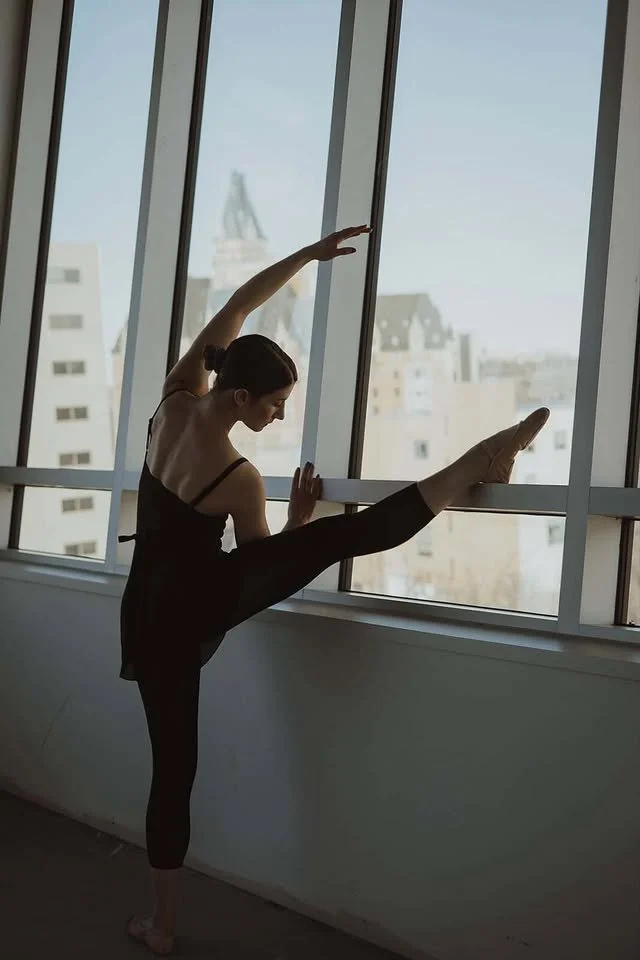
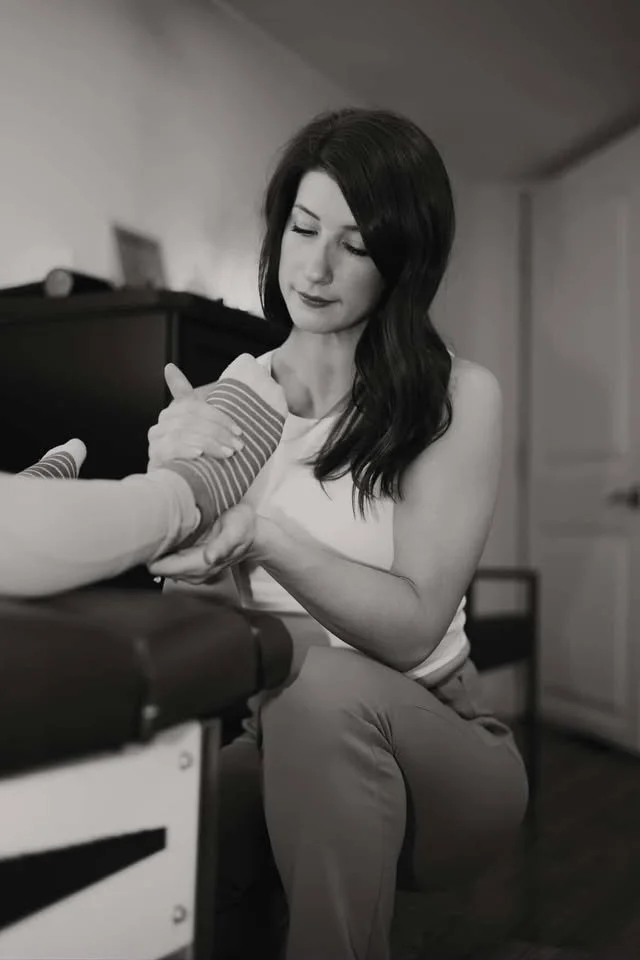
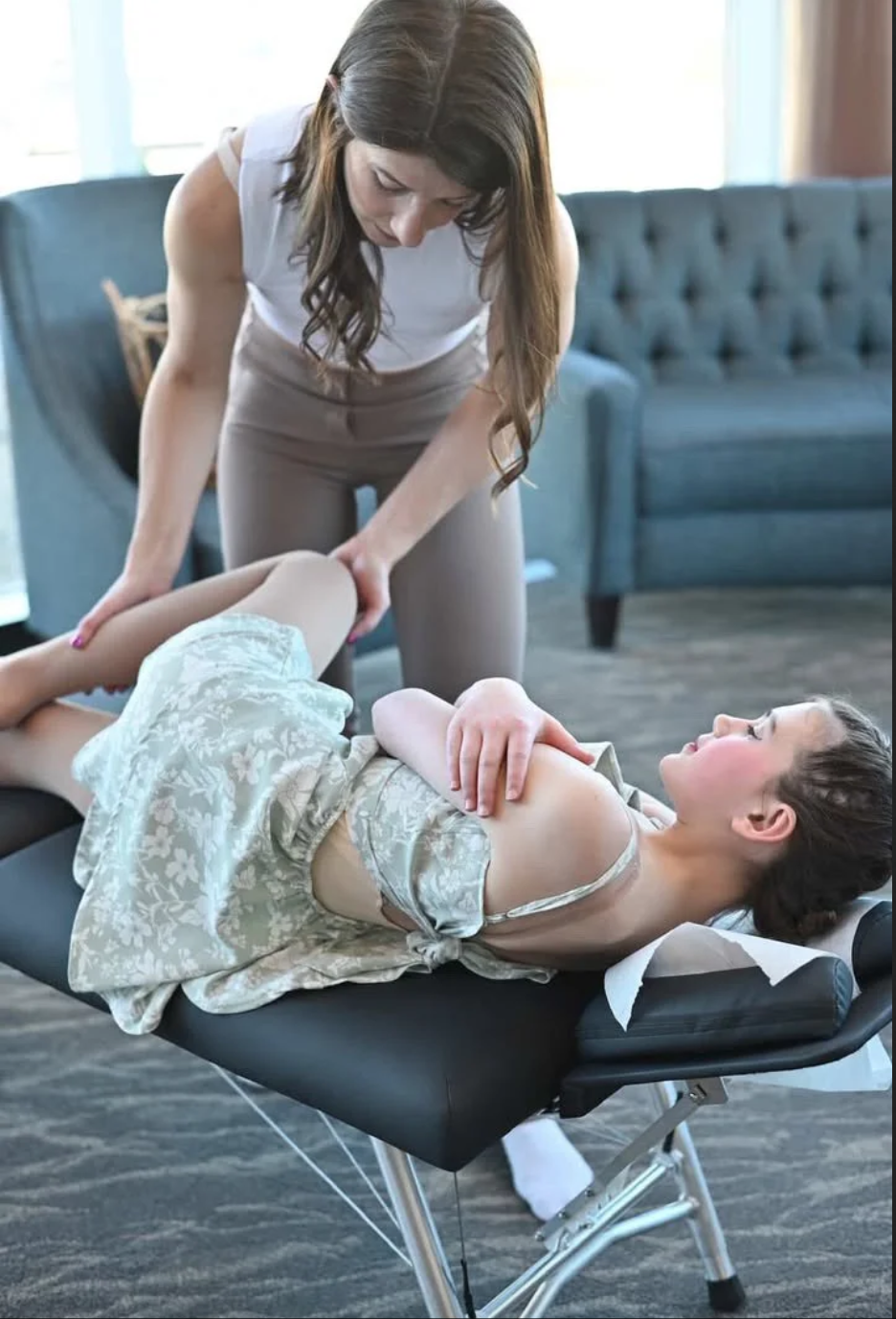
It’s time to get inspired, to get motivated, and to get to know Dr. Kristen Dudeck! She’s a chiropractor, massage therapist, longtime Ukrainian dancer, founder of The Dance Apothecary, and so much more. She combines her background and specializes in working with dancers as a manual therapist and performance coach.
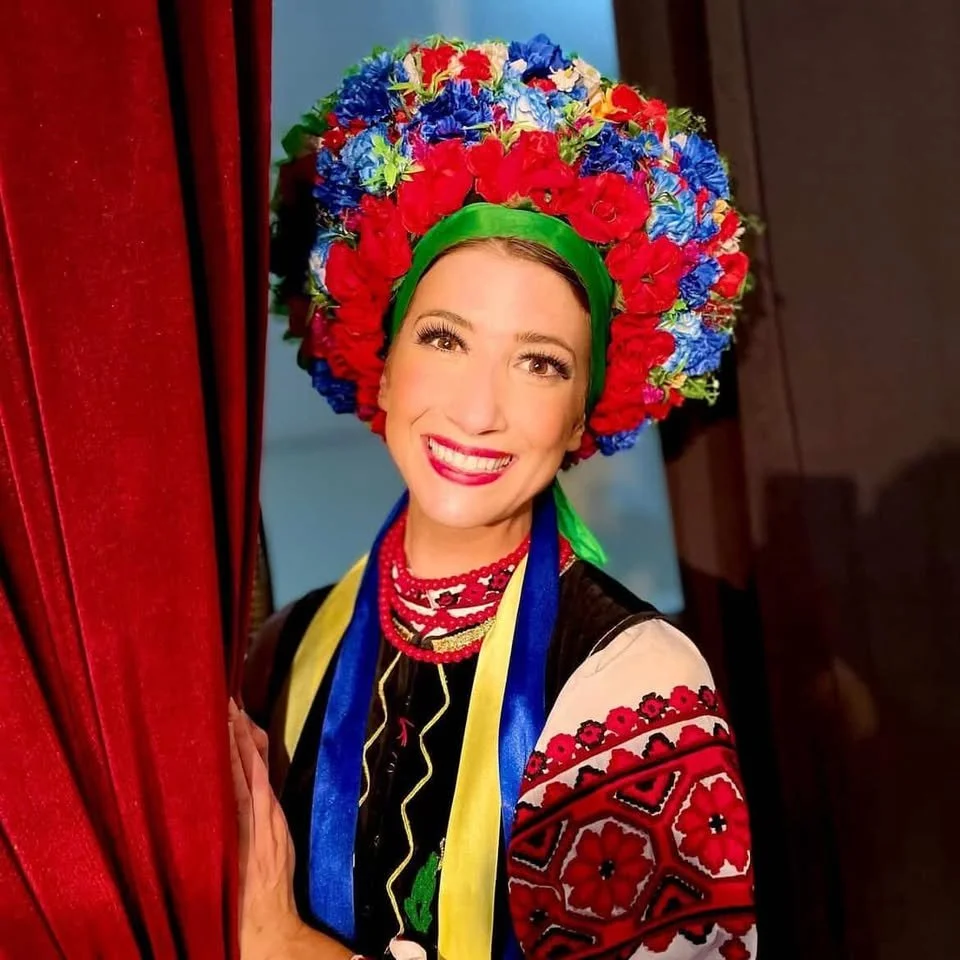
She understands the physical and mental demands of ensemble life because she’s lived them. And she knows the impact Ukrainian dance can have on your life — the places you can see, the people you can meet — because she’s lived that too.
Here is Dr. Kristen Dudeck!
Q&A with Dr. Kristen Dudeck
Can you tell us about your journey as a dancer and healthcare practitioner?
I’m a small-town girl from Mikado, Saskatchewan. I grew up Ukrainian dancing my entire life. I started in kindergarten and danced all the way to Grade 12.
Then I moved to Saskatoon and ultimately joined Yevshan Ukrainian Dance Ensemble. That’s where I learned so much — about work ethic, time management, teamwork, and even how to train your brain to learn.
I always wanted to be a massage therapist. I was talked out of it at first and encouraged to do university, but I eventually found my way back to massage therapy. Later, I realized it wasn’t the full picture for me, so I went back to school for chiropractic.
When I moved to Portland for chiropractic school, I thought dance was behind me. But during COVID, everything shut down — no gyms, no studios — and I begged Yevshan to let me join rehearsals on Zoom. That’s when I realized how important the community was to me.
Now I run my own practice and naturally attract a lot of dancers. I’ve seen the patterns — minor injuries, performance anxiety, hypermobility. I’ve faced many of those things myself. So I’ve really leaned into treating and educating dancers specifically.
Why should dancers care about strength and conditioning?
Strength and conditioning are foundational. Ukrainian dance is incredibly demanding — jumps, deep squats, turns, lifts. Running a Hopak is basically a 10-minute sprint with a smile on your face.
Building strength builds neurology. That mind-body connection — training your body to orchestrate what you’re asking of it — is key. Then repetition strengthens and reinforces those patterns.
It’s not just about doing the movement over and over. It’s about engaging your muscles intentionally and training stamina so you can perform it well.
What’s one simple thing a dancer can focus on at their next rehearsal to improve?
Pick one thing. Maybe today is about your arms. Maybe it’s your supporting leg in turns. Maybe it’s your core.
If I felt sloppy in my turns, I’d hold a yoga boat pose or do quick ab work, then retest my turns. I’d notice a difference. That’s the brain-body connection — firing the muscles back up and bringing them into the picture.
Practice makes progress, but in my opinion, perfect practice makes progress. If you’re just mindlessly repeating something, you won’t get a different result.
What injuries do you most commonly see in Ukrainian dancers?
Ankles, knees, low back, and neck injuries and shin splints are common.
We load our legs and feet so much that sometimes it’s just the straw that breaks the camel’s back. We’re humans before we’re dancers, and our bodies are under constant demand.
Ladies in character shoes — that changes things biomechanically. Hypermobility can also increase injury risk.
What should a dancer’s care plan look like if they want longevity?
Have a care team — chiropractor, physio, massage, acupuncture — ideally someone who understands your sport.
Rest and recovery are huge. Ensemble dancers are busy — school, work, rehearsals, performances, fundraisers. Sleep matters. There’s research showing adolescent athletes who get less than eight hours of sleep have a significantly increased injury risk.
Hydration and nutrition are essential. I always say, “Fed is best.” If the choice is between a McDonald’s cheeseburger and nothing, eat the cheeseburger. You need fuel — protein, carbs, fats.
And simple recovery tools matter. Legs up the wall is one of my favorite exercises. It helps blood flow back toward the heart and supports recovery, especially in the feet and ankles where ligament tissue doesn’t get as much blood supply.
What’s hypermobility, and how does it show up in dancers?
Hypermobility exists on a spectrum. Some joints may be hypermobile and asymptomatic; others may cause issues. There are also connective tissue disorders like Ehlers-Danlos syndrome that can come with additional conditions like Postural Orthostatic Tachycardia Syndrome (POTS).
Many with hypermobility gravitate toward dance because hypermobility feels like a superpower. We have beautiful ranges of motion. But those same ranges can increase injury risk.
Rolling ankles often, feeling “clumsy,” bruising easily, getting dizzy when standing up — these can be clues.
Sometimes just having a practitioner validate your experience and connect the dots is incredibly empowering.
Tell us about The Dance Apothecary.
I realized I only see patients for less than one percent of their week. I wanted to offer more accountability and support.
So I created The Dance Apothecary — a coaching program through an app where we work on nutrition, hydration, habit tracking, goal setting, and mindset.
I believe habits take about 12 weeks to form. Some dancers just need accountability, like sending me a photo of their breakfast every morning to rebuild that habit.
It’s about fine-tuning goals and staying consistent.
How can dancers manage performance anxiety?
I reframe anxiety as excitement. I’m excited because I care. If I didn’t care, I wouldn’t feel nervous.
When I feel anxious before a performance, I shake out my hands, lean against a wall to feel grounded, and hype myself up. For some people, breathwork helps. For me, deep breathing can actually trigger panic, so I use cold stimulation instead.
And sometimes we need to remember the world keeps spinning. If you miss something on stage, it’s probably half a second, and most of the audience didn’t notice.
At the end of the day, it’s folk dance. We’re sharing our culture.
What’s one step a dancer can take today to move smarter, train stronger, and perform fearlessly?
Set a goal. Make it measurable. Give it a timeline.
Maybe you practice 32 turns. Maybe you track 100 jumps per rehearsal. Maybe your goal is getting halfway through a Hopak with a smile.
When you track your effort, you build confidence because you know you’re putting in the work.
If 12-year-old you were listening, what would you tell her?
Trust the process. You’ve never let yourself down.
My husband I always say of life is just showing up and hanging on. Take messy action. That’s better than perfect stagnation.
Thanks so much, Dr. Kristen! We also want to say thank you so much for being such a cheerleader in the Ukrainian dance community. We always see you commenting on other people’s posts, and it’s very inspiring. You’re a piece of sunshine.
I love community. I love connection. I know how much a little comment or re-sharing a post can mean to somebody.
When I was younger, I had no idea that Yevshan existed, and it wasn't until I was in Yevshan that I found out that PFE (Pavlychenko Folklorique Ensemble) existed, and that was just simply because there wasn’t the same exposure like there is today. That's why I'm so passionate about sharing and being in the digital world and making sure that other dancers know that there is something out there worth working toward that could change their life, that could take them around the world.
I really think it’s special that Ukrainian dance has taken to nearly a dozen countries around the world now, and that’s something that I think is really unique, because in other sports, unless you’re playing professionally, you don't get the opportunity to go to Italy or go to Ukraine or Chile or Austria, Serbia, Hungary, Slovenia, Croatia — Ukrainian dance has this opportunity to change your life if you let it.
A big thank you to Dr. Kristen for chatting with us!
Be sure to follow Dr. Kristen on Instagram, and reach out to her if you’re ready to move smarter, train stronger, and perform fearlessly through The Dance Apothecary (Instagram, website).
To hear the full in-depth conversation, listen to Episode 27.
Schaslyvo!